

Table of Contents
- What Makes a Fabric Truly Cozy?
- Natural vs. Synthetic Fibers for Loungewear
- Best Materials for Cozy Blankets and Throws
- Breathability and Moisture-Wicking: Why They Matter
- How to Wash Graphic Hoodies to Keep Them Soft
- Fabric Weight, Stretch, and Durability
- Gift Ideas for People Who Love Lounging
- Seasonal Fabric Recommendations
- Frequently Asked Questions
Last Updated: September 1, 2026
What Makes a Fabric Truly Cozy?
Coziness is a science wrapped in comfort. The best fabrics for cozy loungewear combine softness, breathability, and a hand-feel that makes you never want to leave the couch. The secret lies in three things: fiber type, fabric weight, and construction method. A lightweight cotton blend might feel soft initially, but it won't hold warmth the way brushed fleece will. The sweet spot is usually a thoughtful blend that gives you softness, breathability, and thermal regulation all at once.
Wearing uncomfortable loungewear is like ordering pizza and getting cardboard instead. The right fabric choice transforms your entire relaxation experience from "tolerable" to "I never want to take this off."
Natural vs. Synthetic Fibers for Loungewear
Natural fibers breathe beautifully, but synthetic fibers often hold warmth better. Neither is a clear winner; it depends on what you're actually trying to achieve.
Natural Fibers: Cotton, Modal, and Linen
Cotton is the baseline for comfort. It's breathable, moisture-wicking, and hypoallergenic. The downside? Pure cotton can feel less plush than you'd want for true loungewear. Cotton blends hit differently. Mix cotton with a small percentage of polyester or elastane, and you get better durability, more stretch recovery, and a fabric that holds its shape wash after wash.

Modal is cotton's sophisticated cousin. Made from beech wood pulp, it feels incredibly soft and silky. Modal has excellent moisture absorption and drapes beautifully, which is why you see it in premium loungewear.
Linen is breathable to the point of being airy. It's perfect for summer loungewear but won't give you the thermal regulation you need for cozy fall and winter nights.
Synthetic Fibers: Polyester, Fleece, and Microfiber
Polyester gets a bad reputation, but it's the workhorse of loungewear. It's durable, affordable, and when blended correctly, surprisingly soft. Polyester also resists pilling and holds color brilliantly, important if you're wearing a graphic hoodie with a detailed design.
Fleece is where synthetic materials shine for coziness. Brushed fleece has an insulating quality that natural fibers can't match. It traps air within the fabric structure, creating thermal regulation that keeps you warm without overheating. French terry and double knit constructions offer similar benefits with slightly different textures.
Microfiber polyester creates that ultra-soft exterior feel while maintaining durability. It's what you'll find on premium hooded blankets and loungewear pieces designed specifically for comfort-first living.
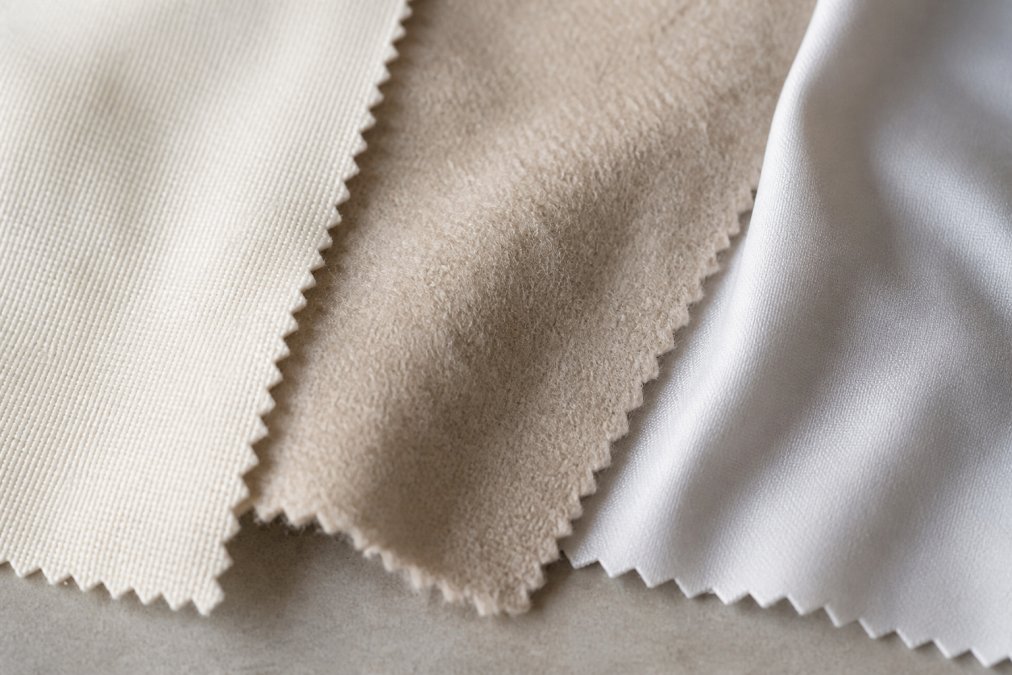
Best Materials for Cozy Blankets and Throws
If you're shopping for a blanket that actually makes you want to curl up, fabric weight matters more than anything else. Measured in GSM (grams per square meter), fabric weight determines how much thermal insulation you're getting (astm.org).
Lightweight fabrics (under 200 GSM) feel airy and won't overheat you. Mid-weight fabrics (200-300 GSM) are the sweet spot for most people, warm enough to feel cozy without feeling suffocating. Heavyweight fabrics (300+ GSM) are serious insulation, perfect for winter.
The construction method matters too. Sherpa lining creates incredible softness and warmth. Microfleece offers similar coziness with slightly less weight. For blankets specifically, look for one-sided prints on a plush base so the design stays vibrant while the back is pure softness.
Caltucky Creations hooded blankets are built on this principle. The 100% polyester micro-mink exterior holds vivid prints while the sherpa or microfleece lining provides the actual coziness factor. At 80" × 55", they're large enough to wrap around your whole body, and the elastic hand straps keep them in place while you're reading, streaming, or napping.

Breathability and Moisture-Wicking: Why They Matter
Here's the paradox of cozy loungewear: you want to feel warm, but you don't want to feel sweaty. Breathability means the fabric allows air to flow through it, preventing heat buildup. Moisture-wicking means the fabric pulls sweat away from your skin and allows it to evaporate.
Cotton excels at moisture absorption, holding up to 27% of its weight in water without feeling wet (peer-reviewed research). Polyester blends with good moisture-wicking properties move sweat away from skin faster. The weave density affects breathability significantly. French terry, a knit construction with loops on one side, offers a balance, it's breathable enough for all-day wear while still providing warmth.
If you're shopping for loungewear you'll actually wear for hours, prioritize breathability. A fabric that feels hot and clammy after 20 minutes isn't cozy, it's a mistake.
How to Wash Graphic Hoodies to Keep Them Soft
You can buy the softest hoodie in the world, but washing it wrong will destroy that softness. The care instructions matter, and they're worth actually following.
The Cold Water Rule
This is non-negotiable. Hot water opens up the fiber structure and can cause dyes to bleed, especially on graphic prints (peer-reviewed research). Cold water (below 90°F) preserves both the softness of the fabric and the vibrancy of the design.
Inside-Out Washing and Gentle Cycles
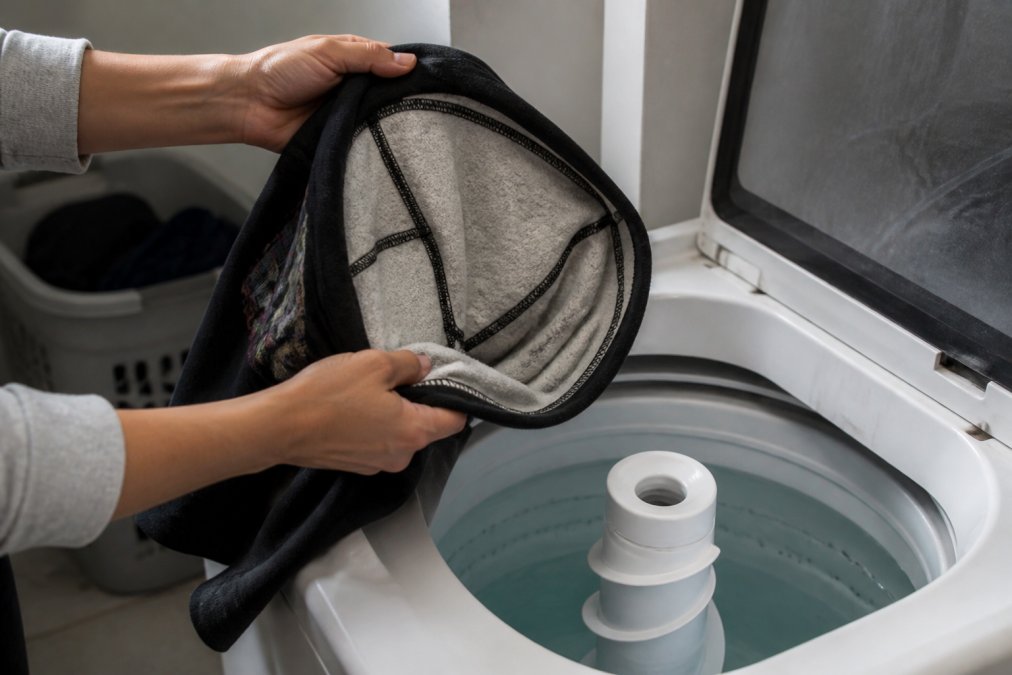
Turn your hoodie inside out before washing. This protects the graphic from friction with other garments and reduces pilling on the print side. Use a gentle or delicate cycle, which means lower agitation and shorter spin times. Wash with similar colors to avoid dye transfer.
Drying Your Hoodies Without Damage
Skip the dryer entirely. High heat damages synthetic fibers, causes shrinkage, and can set stains permanently. Air dry instead. Lay it flat on a clean surface or hang it on a padded hanger. If you absolutely must use a dryer, use the lowest heat setting for no more than 20 minutes.
Fabric Weight, Stretch, and Durability
Fabric weight (GSM) determines how substantial a piece feels. A 150 GSM hoodie feels lightweight and perfect for layering. A 280 GSM hoodie feels substantial and cozy. Aim for mid to heavyweight fabrics that feel intentional, not flimsy.
Stretch recovery is how quickly a fabric bounces back after you stretch it. Look for blends that include elastane (also called spandex or lycra), even 2-5% makes a huge difference. This small percentage prevents your loungewear from looking sad and deflated after a few wears.
Durability comes down to fiber quality and construction. A well-made seam with color-matched thread holds up better than a cheap seam. Hemmed edges prevent fraying. The real test of durability is pilling resistance. Run your hand across the fabric; if it already feels rough or has visible pills, that's a red flag.
Gift Ideas for People Who Love Lounging
People who love lounging are the easiest to buy for because they have excellent taste in comfort. They're not looking for something flashy, they're looking for something they'll actually wear.
A hooded blanket is the ultimate lounging gift. It's practical, cozy, and shows you understand their lifestyle. Caltucky Creations makes hooded blankets with designs that actually make you laugh, spooky jack-o'-lantern fields, skeleton ribcages, vintage phone booths, so it's not just comfortable, it's also funny. For someone who loves lounging, that's the combo that wins.

Graphic hoodies work too, especially if they feature humor that matches the person's actual sense of humor. A cozy hoodie with a clever design is something they'll reach for constantly.
A blanket with a personality, one that makes them smile when they look at it, beats a generic throw every time. Humor-forward designs acknowledge that lounging is a lifestyle choice, not something to apologize for.
Seasonal Fabric Recommendations
Your ideal loungewear changes with the seasons.
Spring and Fall: Mid-weight fabrics (200-280 GSM) with good breathability work perfectly. Cotton blends and modal balance warmth with breathability.
Summer: Lightweight natural fibers are your friend. Pure cotton, linen blends, and lightweight modal feel cool against skin. Moisture-wicking becomes crucial. Avoid heavy fleece and thick synthetics.
Winter: Go full cozy mode. Heavyweight fabrics with thermal regulation properties are essential. Sherpa-lined hoodies and blankets, brushed fleece, and dense knit constructions trap heat without bulk. Synthetics actually win in winter because they insulate better than most natural fibers.
The layering approach works too. A lightweight hoodie in summer becomes a layering piece in winter. For year-round loungewear, aim for fabrics that work in multiple seasons. A quality cotton-polyester blend functions in spring, fall, and even mild winters.
The best fabrics for cozy loungewear aren't about chasing trends or spending the most money. They're about understanding what your body actually needs: breathability so you don't overheat, softness so you want to wear it, durability so it lasts beyond three washes, and enough thermal regulation to feel genuinely cozy. Start with fabric weight and hand-feel. If it feels good and seems well-made, you're already halfway there.
If you want loungewear that combines comfort with actual personality, Caltucky Creations hooded blankets deliver on both fronts. They're made with quality micro-mink exteriors and your choice of sherpa or microfleece lining, fabrics chosen specifically for coziness. The designs are funny enough that you'll actually want to wear them, which means you'll get real use out of your investment. Continue shopping and find the design that matches your sense of humor, because the best loungewear is the stuff you'll actually reach for on a random Tuesday night.
Frequently Asked Questions
What is the best fabric for loungewear?
Cotton, modal, and cotton-blend fabrics rank highest for loungewear because they balance softness, breathability, and moisture-wicking. For blankets and throws, polyester blends with sherpa or microfleece lining provide warmth and durability. The best choice depends on your climate and whether you prioritize breathability or insulation.
How do I keep my favorite loungewear soft after washing?
Wash graphic hoodies and loungewear inside out in cold water on a gentle cycle to protect the print and fibers. Skip the dryer, air dry or use low heat only. Avoid bleach and fabric softener, which can damage fibers and reduce absorbency. Washing inside out is especially critical for graphic pieces because it protects the design from fading and pilling.
Is cotton or polyester better for cozy hoodies?
Cotton offers superior breathability and moisture absorption, making it ideal for year-round wear. Polyester blends (like those used in quality hoodies) provide better durability, shape retention, and resistance to pilling. For graphic hoodies specifically, a cotton-polyester blend works best, it holds the print longer, resists fading, and maintains softness through repeated washing.
What makes a fabric feel 'cozy' against the skin?
Coziness comes from softness (fine fiber denier), thermal regulation (insulation without overheating), and hand-feel (smooth, brushed finishes). Fabrics like micro-modal, brushed cotton, and French terry create that plush sensation. GSM weight matters too, heavier fabrics (250+ GSM) feel more substantial and cozy. The best cozy fabrics combine breathability with enough weight to trap warmth without causing night sweats.
This article was written using GrandRanker