

Table of Contents
- Understanding What a Personal Aesthetic Really Means
- Identifying Your Style Icons and Inspiration Sources
- Creating Personal Aesthetic Mood Board Ideas That Reflect You
- How to Find Your Personal Style Through Wardrobe Analysis
- Building Wardrobe Capsule Essentials for Your Aesthetic
- Sustainable Curation on a Budget
- Overcoming Psychological Barriers and Staying Authentic
- Maintaining and Evolving Your Aesthetic Over Time
Last Updated: August 10, 2026
Understanding What a Personal Aesthetic Really Means
A personal aesthetic is a cohesive visual identity that reflects your values, personality, and lifestyle through the choices you make about clothing, home decor, and accessories. It's the intentional curation of your environment and appearance so that every piece tells a consistent story about who you are. This goes beyond simply liking certain colors or styles, it's about building a visual vocabulary that feels authentically yours and remains recognizable across different contexts, from your apartment to your wardrobe.
The difference between having a personal aesthetic and simply owning random items is intentionality. When you curate a personal aesthetic, you're making deliberate decisions about what enters your space and your life. This creates visual coherence that makes you feel more grounded and confident. At Caltucky Creations, we understand that how to curate a personal aesthetic starts with understanding that this process is deeply personal, there's no single "right" answer, only what feels right for you.
Many people confuse aesthetic curation with trend-chasing. A true aesthetic isn't about owning the latest items; it's about selecting pieces that align with your creative direction and values. This means your aesthetic can evolve as you do, but it maintains a core identity that makes it recognizably yours.
Identifying Your Style Icons and Inspiration Sources
Your style icons are the visual references that spark something in you. They might be celebrities, artists, friends, fictional characters, or even abstract concepts like "minimalist Scandinavian" or "eclectic bohemian." The key is identifying what specifically draws you to them, is it their color choices, silhouettes, attitude, or the way they mix different elements together?
Start by collecting images of people or spaces whose aesthetic resonates with you. Don't overthink it; if an image makes you pause and think "I want that feeling," save it. These initial reactions are valuable data about what genuinely appeals to you versus what you think you should like.
A common mistake is choosing style icons who have nothing in common with your actual lifestyle. If you admire a minimalist aesthetic but you have three dogs and work from home with kids, that aesthetic might not serve you practically. The most sustainable personal aesthetic is one that works with your life, not against it.
Creating Personal Aesthetic Mood Board Ideas That Reflect You
A mood board is a visual collection of images, colors, textures, and objects that capture the feeling and direction of your personal aesthetic. It's one of the most practical tools for how to curate a personal aesthetic because it helps you see patterns in your preferences before you start buying things.
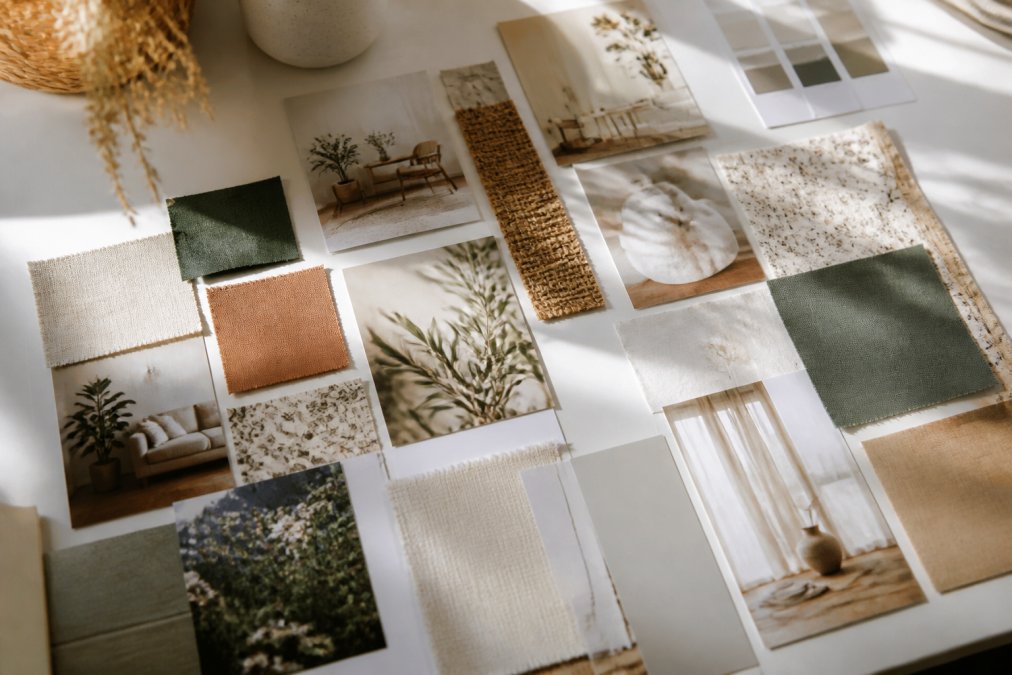
Create your mood board by gathering at least 50-100 images. Use magazines, Pinterest, Instagram, or screenshot images from anywhere that sparks something. Don't filter yourself at this stage, volume matters because patterns emerge when you have enough material to work with.
Once you've collected images, look for recurring themes. What colors appear repeatedly? What textures keep showing up? Are there certain silhouettes or design elements you're drawn to? These patterns are your visual vocabulary, the building blocks of your aesthetic.
Digital Window Shopping and Curation
Digital window shopping is the practice of browsing and saving items online without immediate intent to purchase, allowing you to identify what genuinely appeals to you over time. This is different from impulsive buying; it's about observing your own preferences in real time.
Spend time on e-commerce sites, social media feeds, and design platforms. Save items that appeal to you, not because they're on sale or because you think you "should" like them, but because something about them genuinely draws you in. After a few weeks, review what you've saved. You'll notice patterns in color, style, functionality, and price point that reveal your true preferences.
Many people find that their digital window shopping reveals a gap between what they think they like and what they actually gravitate toward. This gap is valuable information. It tells you where you might be influenced by external expectations rather than authentic preference.
Building Your Visual Vocabulary
Your visual vocabulary is the specific language of design elements, colors, textures, silhouettes, patterns, materials, that feel like "you." Developing this vocabulary means getting specific about why you like what you like.
Instead of saying "I like that," try saying "I like that because it has a clean silhouette, warm tones, and natural materials." This specificity helps you make intentional choices later. When you're shopping or decorating, you can ask yourself: "Does this fit my visual vocabulary?" rather than relying on gut feeling alone.
Pay attention to the textures that appeal to you. Do you gravitate toward smooth, polished surfaces or rough, natural textures? Both are valid, the point is knowing your preference. The same applies to patterns: do you prefer geometric, organic, or no pattern at all? Color is obvious, but also notice whether you prefer saturated colors or muted tones, warm undertones or cool ones.
How to Find Your Personal Style Through Wardrobe Analysis
Finding your personal style requires honest assessment of what you actually wear versus what you think you should wear. Many people spend money on items that don't fit their lifestyle or body, then wonder why their wardrobe feels disconnected.
Conducting a Wardrobe Audit
A wardrobe audit means examining every item you own and assessing whether it serves you. Set aside a few hours and pull everything out. For each piece, ask yourself: Do I wear this regularly? Does it fit well? Does it make me feel good? Is it in good condition?
Create three piles: keep, donate, and repair. The keep pile should contain items that actually work in your life, pieces you reach for regularly and that make you feel like yourself. The donate pile is for items that don't serve you, whether because they don't fit, don't align with your aesthetic, or simply aren't worn. The repair pile is for quality pieces worth fixing.
This process is often uncomfortable because it forces you to confront the gap between your intentions and your reality. Many people discover they own 30 similar items in their "aspirational" style but only actually wear five pieces in their "real" style. This tells you something important about what you'll realistically wear.
Identifying Color Palettes and Silhouettes
After your audit, look at the pieces you actually kept and wear. What colors dominate? What silhouettes do you gravitate toward? These are your authentic preferences, not your aspirational ones.
Your color palette doesn't need to be limited to three colors. It can include neutrals, accent colors, and seasonal variations. The key is that colors work together when placed side by side. If you have warm neutrals (beige, cream, warm gray), your accent colors should also have warm undertones. Cool neutrals (white, cool gray) pair better with cool-toned accent colors.
Silhouettes matter just as much as color. Do you prefer fitted clothing or relaxed fits? Do you like length at the knee or prefer longer hemlines? Are you drawn to structured pieces or soft, flowing fabrics? Your authentic silhouette preferences come from what actually works with your body and how you move through the world.
Building Wardrobe Capsule Essentials for Your Aesthetic
Wardrobe capsule essentials are foundational pieces that work together to create multiple outfits. A capsule wardrobe isn't about owning fewer clothes, it's about owning pieces that work together intentionally.
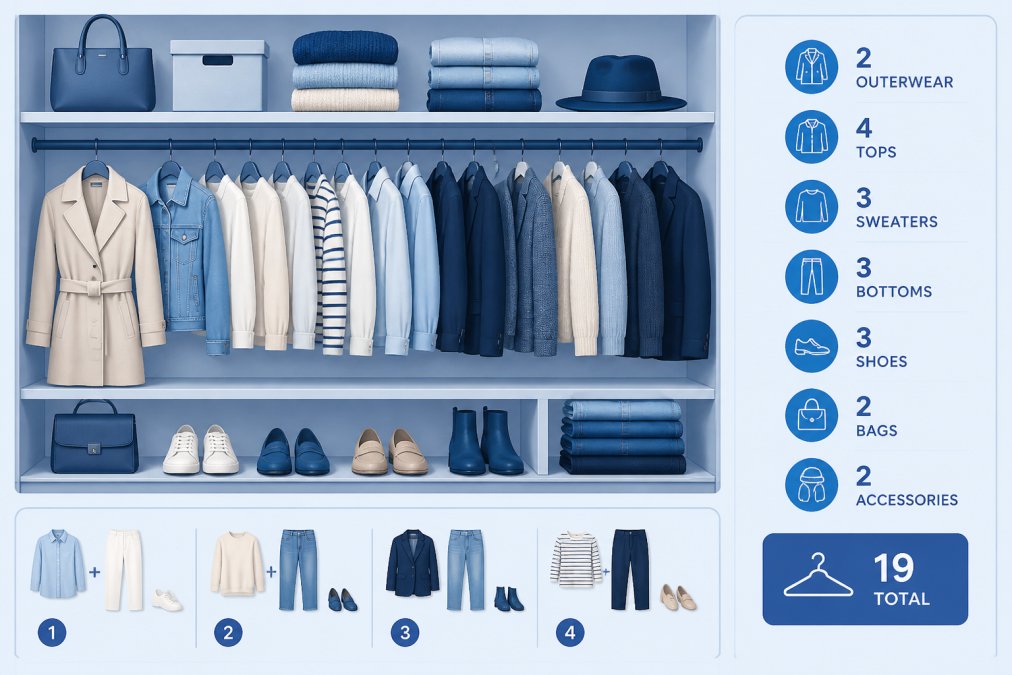
Start with neutral basics that match your color palette: a few pairs of pants, basic tops, and layering pieces. These should be in colors that work with everything else you own. Then add pieces in your accent colors and patterns. The goal is that most items in your closet can be combined with most other items.
Quality matters more than quantity in a capsule. One well-made piece you wear fifty times is better than five cheap pieces you wear twice each. When building your wardrobe capsule essentials, prioritize durability and fit over novelty.
Many people struggle with capsule wardrobes because they include pieces that don't actually work with their lifestyle. If you work from home, a closet full of office wear doesn't serve you. If you have kids and spend your days at the park, white linen doesn't make practical sense. Your capsule should reflect how you actually spend your time.
Sustainable Curation on a Budget
Sustainable curation means building your aesthetic intentionally over time rather than in one shopping spree. This approach is both budget-friendly and better for making thoughtful decisions.
Start with what you already own. Before buying anything new, understand what you have and what gaps actually exist. Many people buy items to fill perceived gaps that don't really exist because they haven't properly assessed their current wardrobe.
When you do shop, buy less frequently but more intentionally. Spend time considering whether something truly fits your aesthetic and whether you'll actually wear it. This slower approach naturally reduces spending because you're not making impulse purchases.
Consider secondhand options for items that are harder to commit to, statement pieces, trendy items, or things you're unsure about. Thrift stores, consignment shops, and online resale platforms offer ways to build your aesthetic affordably while reducing waste. Caltucky Creations and similar curated retailers also help you find intentional pieces designed to work together rather than requiring you to hunt through everything available.
Shopping your own closet first is underrated. Before buying anything new, challenge yourself to create outfits or room styling using only what you own. This often reveals items you'd forgotten about and helps you understand what pieces would genuinely expand your options.
Overcoming Psychological Barriers and Staying Authentic
The biggest barrier to curating a personal aesthetic isn't practical, it's psychological. Many people struggle with permission. They worry about seeming "too much" or not fitting in. They second-guess their preferences because they're influenced by what others like or what's currently trending.
Authenticity requires rejecting external validation as your primary guide. This doesn't mean ignoring feedback entirely, but it means trusting your own eye and preferences as the starting point. If you love maximalist design but everyone around you loves minimalism, that's information about your preferences, not a reason to change them.
Another common barrier is perfectionism. People wait for their aesthetic to be "perfect" before implementing it, which means they never actually create it. Your aesthetic doesn't need to be flawless. It needs to be authentic and functional for your life.
Fear of commitment also holds people back. What if you commit to an aesthetic and then change your mind? The answer is that you will change your mind, and that's fine. Your aesthetic should evolve as you evolve. Curation is an ongoing process, not a destination.
Many people also struggle with decision paralysis. When faced with infinite options, they freeze. This is where having a clear visual vocabulary helps. You can make faster decisions because you have criteria: Does this fit my color palette? Does this silhouette work for me? Does this feel authentic?
Maintaining and Evolving Your Aesthetic Over Time
Your personal aesthetic should evolve as you do. This is healthy and normal. The difference between evolution and abandonment is intentionality. When you consciously decide to shift your aesthetic based on genuine preference change, that's evolution. When you impulsively buy things that contradict your established aesthetic, that's drift.
Maintenance means regularly assessing whether your pieces still serve you. Set a quarterly or semi-annual reminder to review your space and wardrobe. Are there items you're no longer wearing? Are there gaps in your aesthetic that have emerged? This ongoing assessment prevents accumulation of items that don't work.
Document your aesthetic as it develops. Take photos of outfits you love or rooms that feel right. Create a personal style guide that includes your color palette, preferred silhouettes, and the feeling you're going for. This becomes a reference point when you're shopping or decorating, helping you stay consistent even as you add new pieces.
Allow yourself to experiment within your aesthetic. Your visual vocabulary can include multiple moods or styles as long as they share common threads, color, texture, quality level, or overall feeling. You don't need to be rigidly consistent; you need to be intentional.
The most sustainable approach to maintaining your aesthetic is viewing it as an ongoing practice rather than a finished project. You're always curating, always refining, always learning what works for you. This perspective removes the pressure to get it "right" and instead focuses on the process of creating a life and space that feels authentically yours.
Curating a personal aesthetic is fundamentally about self-knowledge and intentional choice. It requires honesty about what you actually like versus what you think you should like, patience to let preferences emerge over time, and permission to build something that's authentically yours. At Caltucky Creations, we believe that building a cohesive personal aesthetic starts with quality pieces designed to work together, fresh, stylish home essentials and apparel that help you express your unique style. Explore our curated collection and discover pieces that align with your visual vocabulary and bring comfort to your space. Continue shopping to find items that reflect who you are.
Frequently Asked Questions
How do I curate a personal aesthetic on a budget?
Start by identifying the core colors and silhouettes that define your aesthetic, then shop intentionally for pieces that fit those parameters. Thrift stores, sales, and secondhand platforms offer quality items at lower prices. Focus on wardrobe capsule essentials that work together rather than buying random trendy pieces. Invest in a few high-quality staples and build around them over time. This approach prevents impulse purchases and ensures everything you own aligns with your visual identity.
What's the difference between a personal aesthetic and personal style?
Personal style is how you naturally dress and decorate based on your preferences and lifestyle. A personal aesthetic is a more intentional, cohesive visual identity you curate over time. Creating a personal aesthetic involves research, planning, and deliberate choices about color palettes, silhouettes, textures, and inspiration sources. It's the difference between dressing yourself and designing a version of yourself through thoughtful curation.
How long does it take to develop a cohesive personal aesthetic?
Most people need 3-6 months of active curation to develop a clear aesthetic. This includes time for self-reflection, mood board creation, wardrobe auditing, and intentional shopping. However, your aesthetic will continue to evolve as you gain confidence and discover what truly resonates with you. Patience and self-reflection are key, rushing the process often leads to purchases that don't align with your vision.
Can I have more than one personal aesthetic?
Yes. Many people maintain multiple aesthetics for different contexts: work, casual life, home decor, or seasonal changes. However, finding overlap between them creates visual coherence. For example, you might blend minimalist and cottagecore elements by using clean lines with warm textures. The goal is ensuring your choices feel intentional rather than scattered, regardless of how many aesthetics inform your wardrobe and spaces.
This article was written using GrandRanker