

Table of Contents
- Why Accessible Trick-or-Treating Matters
- Create Clear Pathways and Remove Obstacles
- Make Treats Reachable and Visible
- Offer Inclusive Treat Options and Respect Dietary Needs
- Plan Sensory-Friendly Halloween Activities
- Explore Accessible Halloween Ideas Beyond Traditional Trick-or-Treating
- Support Alternative Ways to Trick-or-Treat
- Communicate Respectfully and Allow Extra Time
- Frequently Asked Questions
Last Updated: October 10, 2026
Why Accessible Trick-or-Treating Matters
Halloween should be fun for every kid. But for children with disabilities, trick-or-treating can feel impossible. Steep driveways, dark pathways, and unreachable candy bowls turn the holiday into a frustrating obstacle course.
The good news? Small changes make a huge difference. Every child deserves to feel the magic of trick-or-treating, whether they use a wheelchair, communicate differently, or need a quieter experience.
This guide covers practical ways to make trick-or-treating accessible, from setup to event-time tips to respecting different needs.
Create Clear Pathways and Remove Obstacles
Before Halloween: Scout and Prep Your Route
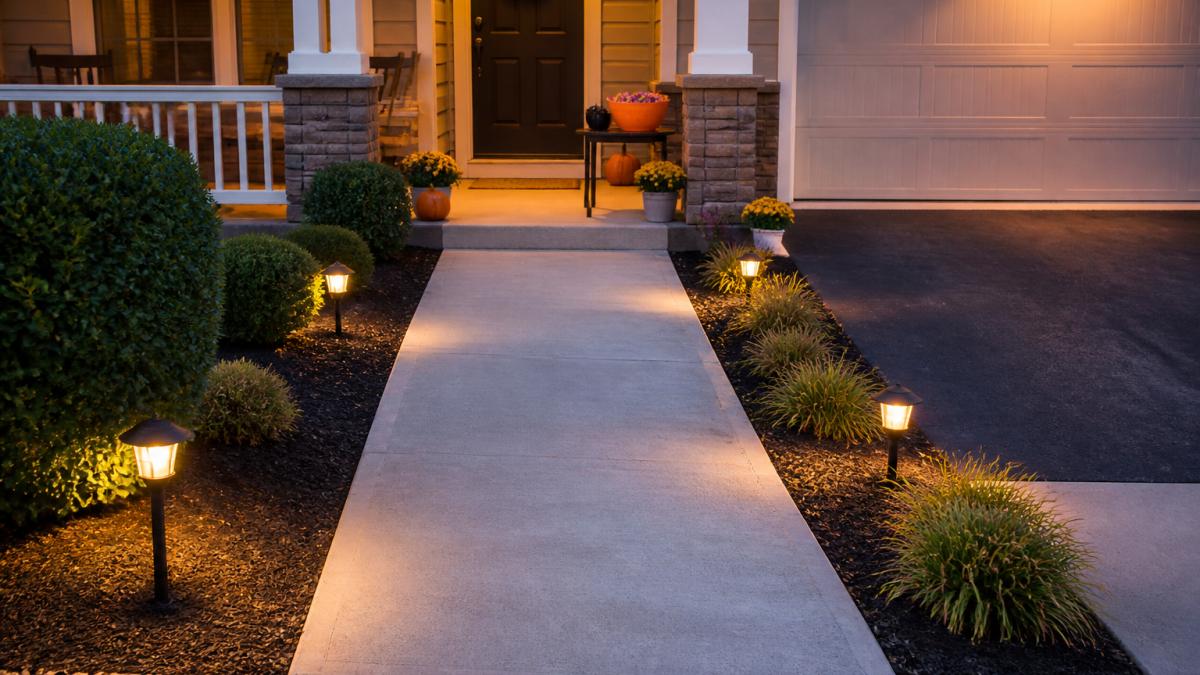
Remove garden hoses, extension cords, pumpkins, hay bales, flower pots, low branches, and gravel before Halloween. Widen your main pathway to at least 36 inches of clear space. Move decorations to the sides if needed. Ensure the path from street to treat station is smooth and level with no sudden drops or raised edges.
On Halloween Night: Maintain Safe, Well-Lit Walkways
Place solar or battery-powered lights along your pathway, aiming downward to illuminate the ground without glare. Keep the walkway clear throughout the evening, sweep every 30 minutes if needed. If you use a ramp, ensure it's stable and slip-resistant with a grip mat to handle wet leaves or frost.
Make Treats Reachable and Visible
Positioning Treats for Wheelchair Accessible Halloween
Offer self-serve options so kids pick their own treats, giving them independence. If handing treats directly, crouch or sit at eye level with kids in wheelchairs.
Describing and Showing Treats Before Handing Them Out
Describe each treat clearly ("This is a red lollipop") and show it in your hand or bowl. Let kids point, nod, or use their communication device to choose. For kids with visual disabilities, describe treats by texture and type, and let them feel the wrapper if they want.
Offer Inclusive Treat Options and Respect Dietary Needs
Stock non-food treats (toys, stickers, temporary tattoos, glow sticks) alongside candy for kids with allergies or dietary restrictions. Ask parents about needs upfront and offer nut-free, dairy-free, or gluten-free options. A simple sign, "Please let us know about allergies or dietary needs, we have options", makes families feel welcome.
Plan Sensory-Friendly Halloween Activities
Create a Sensory-Friendly Setup Checklist
Before Halloween: Sensory Planning
On Halloween Night: Maintain Sensory Calm
Reduce Sensory Overload and Flashing Lights
Decorations are great, just make sure they're stable and won't startle anyone. A static skeleton is fine. A decoration that suddenly moves or makes noise might frighten a child with sensory processing differences.
Create a Quiet, Calm Interaction Space
When handing out treats, speak in a calm, friendly tone. Make eye contact if the child seems comfortable with it, but don't force interaction. Some kids will want to chat. Others will prefer a quick exchange. Both are okay.
Explore Accessible Halloween Ideas Beyond Traditional Trick-or-Treating
Trick-or-treating isn't the only way to celebrate. Some families prefer alternatives that feel safer or more comfortable.
TRICK OR TREATING GHOST Polyester Doormat →
Trunk-or-treat events let kids collect candy from car trunks in a parking lot. The route is flat, well-lit, and shorter. No stairs, no dark pathways. Many communities now host these as accessible options.
Halloween festivals and community events often have accessible areas. Bounce houses, games, and activities happen in one location. Families can move at their own pace without navigating a full neighborhood.
Some neighborhoods organize accessible trick-or-treating routes where homes commit to being accessible. Kids know which houses to visit. This reduces pressure and makes planning easier.
Support Alternative Ways to Trick-or-Treat
Neighborhood Coordination and Community Events
Community centers sometimes host Halloween events specifically designed for accessibility. Games, crafts, and treat stations happen indoors. No weather concerns, no navigation challenges.
Home-Based and Virtual Celebrations
The goal isn't to force every kid into the traditional trick-or-treating model. It's to make sure every kid has a way to celebrate that feels safe and fun for them.
Communicate Respectfully and Allow Extra Time
Interaction Scripts and Communication Strategies
Starter phrases that work for most kids:
- "Hi! What's your favorite treat?" (open-ended, gives choice)
- "Would you like to pick a candy or a toy?" (yes/no option, clear choices)
- "You look great in that costume!" (comment, no response required)
What to do when a child doesn't respond verbally:
- Wait 5-10 seconds. Don't rush to fill silence. Kids with processing delays, selective mutism, or speech anxiety need time to formulate a response. Silence feels long to adults but is often necessary for kids.
- Offer visual choices. Instead of asking "What do you want?", point to two or three treats: "Do you want this one or this one?" Kids can point or nod without speaking.
- Accept nonverbal responses. A nod means yes. A point means choice. A head shake means no. Treat these as complete answers. Don't ask "Are you sure?" or repeat the question.
- Respect communication devices. If a child uses AAC (augmentative and alternative communication), a speech-generating device, letter board, or picture chart, wait while they select their message. Don't interrupt or guess what they're trying to say. Let them finish.
- Speak clearly and face the child. Especially if they use sign language or read lips. Face them, speak at a normal pace (not slower or louder unless asked), and avoid covering your mouth.
Disability-specific interaction examples:
Accommodating Service Animals and Caregivers
Siblings often come along too. Make sure younger or older siblings feel included. They're part of the trick-or-treating experience even if they're not the primary focus.
Frequently Asked Questions
How can I make trick-or-treating more accessible for children with mobility devices?
Consider offering treats at a reachable height without requiring visitors to climb stairs or reach high shelves.
What are sensory-friendly Halloween activities I can offer?
Offering non-food items like glow sticks or stickers gives kids sensory choices.
What are some alternative ways to trick-or-treat for kids who can't walk door-to-door?
Virtual costume contests, drive-through treat stations, and at-home Halloween parties with friends are other options.
How should I handle communication with kids who have different communication needs?
Speak clearly and at a normal pace. If a child uses an AAC (augmentative and alternative communication) device or sign language, be patient and give them time to communicate. Respect their communication style without rushing or speaking over them. A simple 'You look great!' or 'Pick any treat you like' works for most kids.