

Table of Contents
- 1. Statement Wall Art and Prints
- 2. Rental-Friendly Decor Upgrades Without Wall Damage
- 3. Multifunctional Furniture That Maximizes Small Square Footage
- 4. Layering Textiles and Rugs to Define Your Space
- 5. How to Style a Studio Apartment with Zoning and Lighting
- 6. Apartment Decor for Young Professionals on a Budget
- 7. Building a Cohesive Aesthetic That Reflects Your Personality
- Conclusion
Last Updated: August 7, 2026
Furnishing your first apartment doesn't mean settling for mass-produced basics. Young professionals today want spaces that reflect who they are, not just what fits the budget. The challenge is finding unique apartment decor that balances personality, affordability, and practicality, especially when you're renting and can't paint walls or drill holes. This guide from Caltucky Creations explores nine proven strategies to transform a blank canvas into a curated, intentional home that feels authentically yours.
1. Statement Wall Art and Prints
The fastest way to inject personality into any space is through statement wall art. A single piece or gallery wall can anchor an entire room's aesthetic and set the tone for everything else you add. The best approach combines diverse styles, sizes, and frame finishes to create visual interest without looking chaotic.
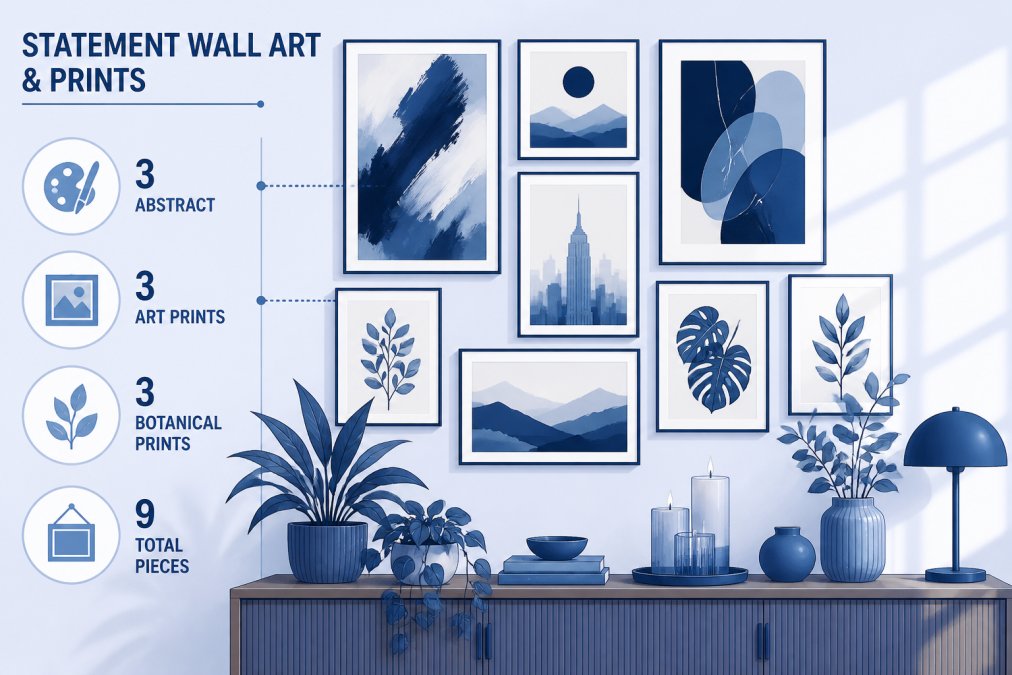
Consider Society6 Art Prints for truly unique finds. Their platform connects you directly with independent artists, meaning you'll find designs that mass-market retailers simply don't carry. Prints range from abstract and contemporary to niche illustrations that speak to your specific interests. The variety ensures your walls reflect genuine taste, not algorithm-driven trends.
For renters concerned about wall damage, iCanvas Steelpix Metal Wall Art solves the problem entirely. These magnetic metal prints require no permanent installation, they adhere to any magnetic surface or mount with adhesive strips. The metal backing creates depth and interacts with light in ways traditional prints can't, adding dimension to your space.
Z Gallerie Wall Art takes the opposite approach: sophisticated, curated pieces designed to feel intentional and elevated. Their collection skews toward abstract and contemporary work with metallic finishes and sculptural elements. If your goal is creating a refined, gallery-like aesthetic, this is where to invest.
The real power of statement art isn't just visual, it's psychological. A wall you've thoughtfully curated signals intention and taste. Visitors notice. More importantly, you notice every time you walk past it.
2. Rental-Friendly Decor Upgrades Without Wall Damage
Renting shouldn't mean living in a blank box. The key is choosing upgrades that transform your space without jeopardizing your security deposit. Damage-free solutions have evolved far beyond basic poster hangers.
Command Brand Damage-Free Hanging Solutions are the foundation here. Their strips, hooks, and clips remove cleanly without leaving holes, marks, or residue, a critical advantage when you're renting. The weight capacity varies by product type, so read specifications carefully. For artwork and lightweight decor, these work flawlessly. For heavier shelving or mirrors, you'll need reinforced versions rated for higher loads.
Peel-and-stick wallpaper from brands like RoomMates Decor offers dramatic transformation with zero commitment. A single accent wall changes the entire character of a room. The application takes an afternoon, and removal is just as simple. The main challenge is pattern alignment, take your time measuring and planning before applying the first strip. Highly textured walls may resist adhesion, so test a small corner first.
Furniture placement itself becomes a design tool in rental spaces. A strategically positioned room divider, bookshelf, or console table creates visual zones without permanent changes. This approach gives you control over how the space flows and feels, even though you can't alter the bones of the apartment.
The psychological shift matters. When you treat your rental as a temporary canvas rather than a permanent home, you're more willing to experiment. Some of the best apartment aesthetics come from renters who embraced constraint as creative fuel.
3. Multifunctional Furniture That Maximizes Small Square Footage
Small apartments demand furniture that earns its space. Every piece should serve at least two purposes, and ideally it should look intentional while doing it.
West Elm's multifunctional collection leads this category. Their storage ottomans, nesting tables, and sleeper sofas combine form and function in ways that don't feel like compromises. A storage ottoman becomes seating, a side table, and hidden storage in one footprint. Nesting tables expand when you need surface area and tuck away when you don't. The aesthetic is modern and considered, you're not sacrificing style for practicality.
Console tables are underrated in small spaces. Positioned behind a sofa or against an entryway wall, they add surface area for lamps, decor, and daily essentials without consuming floor space. Pair one with wall-mounted shelving above it, and you've created a functional display area that feels curated rather than cluttered.
Vertical storage is non-negotiable in compact apartments. Wall-mounted shelving, floating desks, and tall bookcases draw the eye upward and create the illusion of more space. The key is leaving breathing room, don't pack every shelf. A mix of books, decor, and empty space feels intentional; a fully packed shelf feels cramped.
Modular furniture works especially well for renters who move frequently. Pieces that connect, stack, or reconfigure adapt as your needs change. This flexibility means your investment grows with you rather than becoming obsolete when your circumstances shift.
4. Layering Textiles and Rugs to Define Your Space
Textiles are where personality truly lives. They're also one of the easiest ways to update your space seasonally without commitment. Layering different textures, patterns, and weights creates depth and makes a room feel intentional rather than sparse.
Start with a quality area rug as your foundation. It anchors furniture, defines zones, and adds warmth underfoot. In small apartments, a rug that extends slightly beyond your seating area makes the space feel larger, not smaller. The color and pattern should complement your wall art or vice versa, they're your two biggest visual anchors.
Throw pillows and blankets are where you can experiment with color, pattern, and texture without overcommitting. Mix geometric and organic patterns, solid and patterned pieces, and different fabric weights. A linen pillow next to a velvet one next to a chunky knit creates visual and tactile interest. This layering approach feels curated, not random.
Window treatments matter more than most people realize. Beyond privacy, curtains add color, soften hard edges, and can make ceilings feel higher if you mount them near the top of the wall. Sheer curtains diffuse light beautifully while maintaining privacy. Heavier fabrics create drama and warmth, especially in evening hours.
Textural variety prevents monotony. Pair smooth surfaces (glass, polished metal, leather) with rough ones (raw wood, woven textiles, concrete). This contrast makes a space feel dynamic and sophisticated. A sleek modern sofa paired with a vintage rug and chunky knit throw feels intentional and balanced.
5. How to Style a Studio Apartment with Zoning and Lighting
Studio apartments collapse living, sleeping, and working into a single open space. The trick is creating psychological separation without walls. Zoning and lighting do this work.
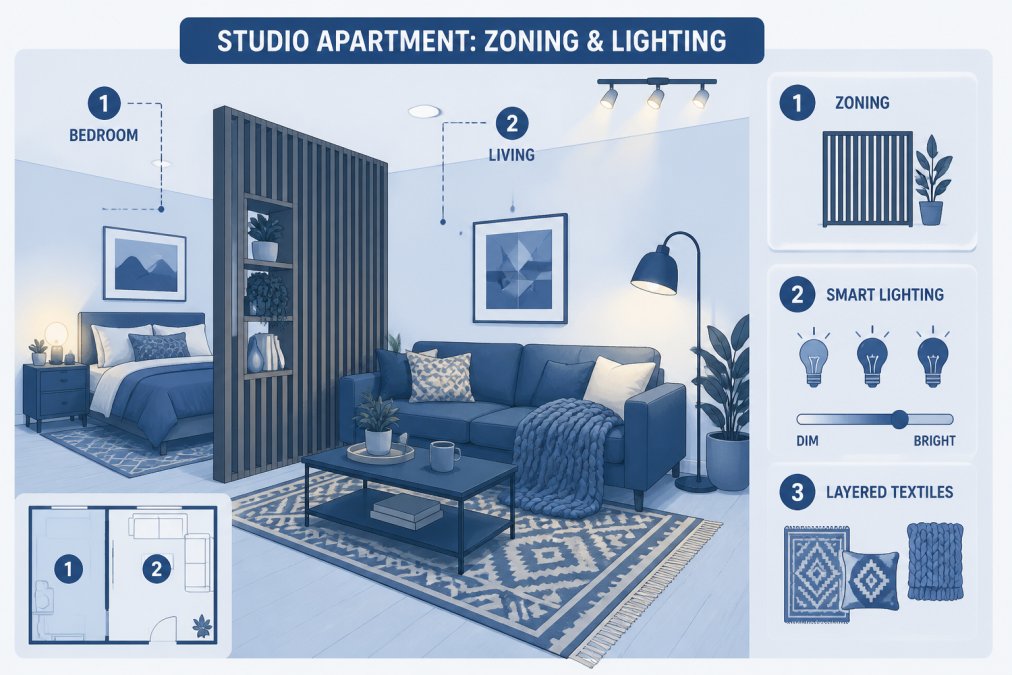
Room dividers, bookcases, and curtains create visual boundaries that signal different functional zones. A tall bookcase behind your bed defines the sleeping area without blocking light. A fabric room divider creates a flexible wall you can open or close depending on your mood. These solutions work because they create psychological separation, your brain recognizes distinct zones even though the space is technically open.
Lighting is the hidden tool that transforms studios. Overhead ceiling lights flatten a space and make it feel institutional. Layered lighting, a combination of ambient, task, and accent lighting, creates depth and allows you to adjust the mood. Smart bulbs like Philips Hue let you shift color temperature throughout the day, supporting your circadian rhythm while creating different moods. Warm light in the evening signals relaxation; cooler light during work hours supports focus.
Floor lamps define zones by lighting them differently. A lamp in the bedroom corner tells your brain that's a sleeping area. A bright task lamp near a desk signals work. This functional zoning reinforces the psychological boundaries your furniture creates.
Mirrors amplify light and create the illusion of more space. Position them opposite windows to bounce natural light deeper into the apartment. They also add visual interest and break up blank walls without permanent installation.
6. Apartment Decor for Young Professionals on a Budget
Building a cohesive, intentional space doesn't require spending thousands. Strategic choices and patience yield better results than impulse purchases.
Etsy is invaluable for budget-conscious decorators. The marketplace connects you with independent creators offering handmade, vintage, and unique pieces at lower price points than traditional retailers. You'll find original art, vintage furniture, and one-of-a-kind accessories that give your space character without premium price tags. Shipping costs from multiple sellers can add up, so plan larger orders to minimize fees.
Thrift stores and vintage markets yield incredible finds if you're willing to hunt. A vintage side table, framed art, or unique lighting fixture costs a fraction of new retail prices. The hunt itself becomes part of the process, you're curating rather than shopping.
Caltucky Creations offers a curated selection of fresh, stylish home essentials designed to bring comfort and unique flair to your living space. This curation saves you from the decision paralysis of infinite options, and it ensures your purchases actually cohere as a collection rather than feeling random.
Prioritize investment pieces, items you'll keep long-term, and save on trend-driven pieces. A quality sofa or bed frame justifies spending more. Throw pillows, art, and seasonal decor can come from budget-friendly sources because you'll update them anyway.
Building slowly beats furnishing quickly. A thoughtfully chosen room with fewer pieces feels more intentional than a fully decorated space with mismatched items. Give yourself permission to wait for the right piece rather than settling.
7. Building a Cohesive Aesthetic That Reflects Your Personality
The difference between a decorated apartment and a curated home is intentionality. A cohesive aesthetic doesn't mean everything matches, it means everything connects.
Start by identifying your visual preferences. Collect images of spaces that appeal to you. Look for patterns: Do you gravitate toward minimalist or maximalist? Warm or cool tones? Modern, vintage, or eclectic? These patterns reveal your natural aesthetic, which becomes your foundation.
Develop a color palette. Three to five colors create cohesion without feeling restrictive. Choose a dominant neutral (white, gray, beige, black), a secondary color that appears in larger pieces (furniture, rugs), and one or two accent colors for smaller items. This structure allows variety while maintaining visual harmony.
Personality comes through in how you layer and curate within this framework. A minimalist space with one bold accent piece feels intentional. A maximalist space with clear color relationships feels curated rather than chaotic. The difference is restraint and intentionality, not the number of items.
Display meaningful objects. Photographs, travel souvenirs, and items with personal history tell your story. These pieces matter more than perfectly coordinated decor because they're authentically yours. Mix them with curated pieces to balance personality and polish.
Update seasonally. Swapping textiles, rotating art, and refreshing accent pieces keeps your space feeling fresh without major investment. This practice also prevents design fatigue, you're not staring at the exact same arrangement year-round.
The real secret to cohesion is constraint. Limiting your palette, committing to a style direction, and editing ruthlessly creates spaces that feel intentional. More importantly, it makes future purchasing decisions easier. When you know your aesthetic, you know what belongs in your space and what doesn't.
Transforming a rental apartment into a space that genuinely reflects who you are takes intentionality, but it doesn't require a design degree or unlimited budget. The strategies above, statement art, rental-friendly upgrades, multifunctional furniture, layered textiles, smart zoning, budget-conscious sourcing, and cohesive aesthetic building, work together to create a home that feels authentically yours.
Caltucky Creations makes this process easier by offering a curated selection of fresh, stylish home essentials specifically chosen to work together. Their unique designs and focus on quality mean you're building with pieces that feel intentional rather than generic. Start with one or two anchor pieces from their collection, then layer in budget-friendly finds from Etsy or thrift stores. The result is an apartment that's unmistakably yours, a space that welcomes you home.
| Strategy | Best For | Key Benefit |
|---|---|---|
| Statement Wall Art | Creating visual anchors | Transforms blank walls instantly |
| Rental-Friendly Upgrades | Renters and budget-conscious decorators | Zero security deposit risk |
| Multifunctional Furniture | Small apartments | Maximizes square footage without sacrifice |
| Layered Textiles | Adding depth and personality | Easy seasonal updates and flexibility |
| Strategic Zoning & Lighting | Studio apartments | Creates psychological separation |
| Budget-Conscious Sourcing | Decorators on tight budgets | Builds cohesion without overspending |
| Cohesive Aesthetic Planning | Long-term apartment living | Ensures every piece works together |
Frequently Asked Questions
How do you decorate an apartment as a young professional on a budget?
Start with one statement piece like wall art or a textured rug, then build around it. Shop secondhand on Etsy for vintage finds, use Command strips for damage-free hanging, and mix budget items with intentional splurges. Peel-and-stick wallpaper and layered textiles transform a space affordably. Focus on pieces that reflect your personality rather than following every trend, curated, intentional decor costs less than constantly replacing trendy items.
What makes unique apartment decor different from generic store-bought pieces?
Unique apartment decor tells your story through one-of-a-kind finds, handmade items, and pieces that reflect your aesthetic rather than mass-produced designs everyone else owns. Caltucky Creations specializes in fresh, stylish home essentials with distinctive designs that add character. This approach creates a cohesive, personality-driven space that feels authentically yours instead of like a showroom.
How can I make my studio apartment look more sophisticated without damaging walls?
Use rental-friendly solutions like peel-and-stick wallpaper on one accent wall, Command strips for art displays, and metal wall art with magnetic mounts. Layer textiles with a quality area rug and throw pillows in a cohesive color palette. Add smart lighting to create ambiance and define zones. Choose minimalist, well-curated pieces over clutter, fewer, intentional items feel more sophisticated than a crowded space.
What's the best way to ensure decor pieces actually work together as a cohesive look?
Start by defining your color palette, choose 2-3 main colors plus neutrals, then select all pieces within that scheme. Group items by style (minimalist, boho, industrial) rather than mixing too many aesthetics. Use textural elements like layered rugs, throw pillows, and wall art to add depth while staying cohesive. Caltucky Creations' curated selection makes this easier since pieces are already designed to complement each other.
This article was written using GrandRanker