

Table of Contents
- The Origins of Halloween: From Samhain to All Hallows' Eve
- How Halloween Traditions Have Evolved Over Time
- Halloween Home Decor Ideas for a Spooky Seasonal Atmosphere
- DIY Halloween Decorations: Budget-Friendly and Sustainable Options
- Halloween Party Planning Tips: From Costumes to Seasonal Treats
- Pumpkin Carving Techniques and Jack-O'-Lantern Design
- Making Halloween Inclusive and Accessible for Everyone
- Conclusion
Last Updated: August 30, 2026
The Origins of Halloween: From Samhain to All Hallows' Eve
Halloween's roots stretch back over two thousand years to the Celtic festival of Samhain, which marked the end of summer and the beginning of the darker half of the year (britannica.com). The Celts believed that on this night, the boundary between the living and the dead grew thin, allowing spirits to walk among the living. They lit bonfires, wore costumes made of animal skins, and left food offerings to appease wandering spirits. When the Romans conquered Celtic lands, they blended their own traditions with Samhain, creating a hybrid observance that combined Roman harvest festivals with Celtic spiritual beliefs.
The name "Halloween" comes from "All Hallows' Eve," the night before All Saints' Day, a Christian holiday established in the 8th century (catholic.com). As Christianity spread throughout Europe, the Church attempted to Christianize pagan festivals by assigning them religious significance. The connection to the supernatural persisted even as the religious context shifted, and superstitions surrounding this night evolved but never truly disappeared.
Irish and Scottish immigrants brought their Halloween traditions to North America in the 1800s, where the observance merged with local customs and transformed into the modern celebration we recognize today. What began as a spiritual observance became a secular, community-centered event focused on costumes, decorations, and trick-or-treating.
How Halloween Traditions Have Evolved Over Time
Trick-o'-treating didn't emerge until the early 20th century in North America, though it has roots in much older customs. In medieval Europe, poor people would visit homes on All Hallows' Eve asking for food in exchange for prayers for the dead, a practice called "souling (peer-reviewed research)." This eventually morphed into children going door-to-door in costumes requesting treats. Costumes originally served a practical purpose: people believed wearing masks and disguises would confuse malevolent spirits and protect them from harm. What was once a genuine fear-based ritual became a playful tradition centered around collecting candy.
Jack-o'-lanterns represent another tradition with surprising historical depth. Originally, people carved faces into turnips and potatoes in Ireland and Scotland, placing candles inside to ward off evil spirits. When Irish immigrants arrived in North America, they discovered pumpkins were more plentiful and easier to carve. The jack-o'-lantern became an iconic Halloween symbol, though most modern celebrants carve them purely for aesthetic reasons rather than spiritual protection.
Costume selection has transformed dramatically over the decades. Early costumes were meant to disguise people so spirits wouldn't recognize them. By the mid-20th century, costumes became about entertainment and self-expression, with store-bought options replacing homemade disguises. Today's costume trends reflect pop culture, current events, and personal interests, showing how Halloween has shifted from a night rooted in spiritual concern to one centered on community celebration and creativity.
Halloween Home Decor Ideas for a Spooky Seasonal Atmosphere
Creating a spooky atmosphere starts with understanding the elements that evoke that Halloween feeling. Jack-o'-lanterns remain the cornerstone of decoration, with modern carving embracing intricate patterns, glowing effects, and themed designs. A compelling Halloween home decor setup combines lighting, textural elements, and thematic pieces that work together to establish an immersive seasonal atmosphere.
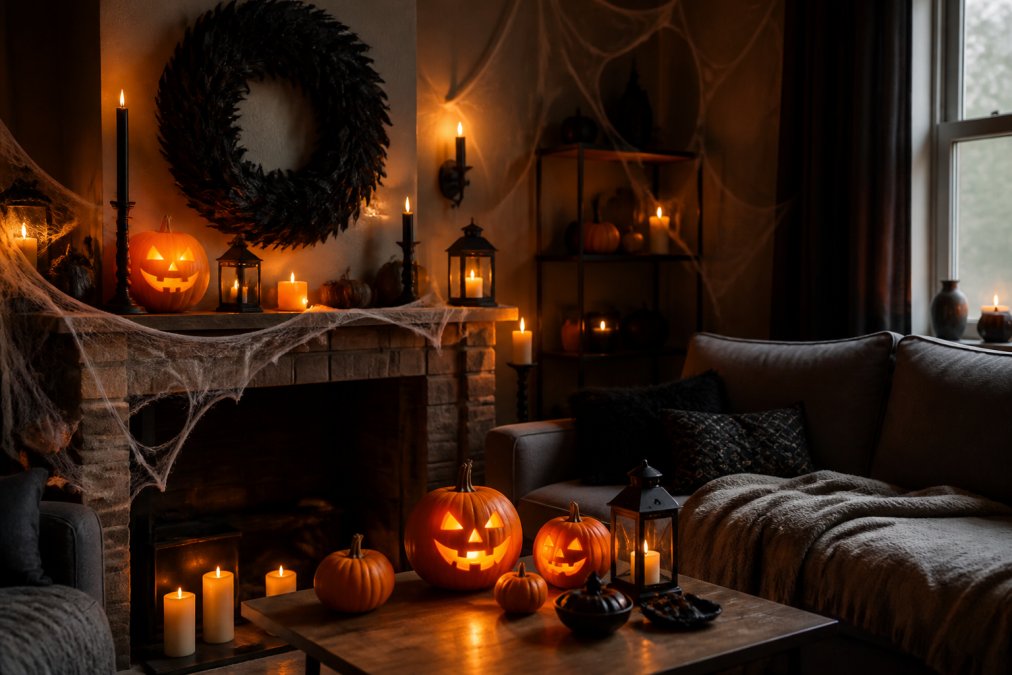
Lighting plays a critical role in establishing mood. String lights in warm orange or cool white create different effects, warm lighting feels welcoming and festive, while cool white enhances the haunted aesthetic. Layer different light sources: overhead ambient lighting, accent lights around focal points, and flickering candles or LED candles for safety. Shadows become part of your decoration when you position lights strategically.
Textural elements add depth to your decorations. Artificial cobwebs draped across corners create an abandoned feeling without much effort. Fabric draping in black or deep purple transforms ordinary furniture into gothic focal points. Natural elements like branches, dried leaves, or corn stalks create an autumn-meets-spooky aesthetic. Layering different textures makes your space feel intentionally decorated rather than randomly assembled.
Color coordination matters significantly. A cohesive Halloween scheme typically sticks to a limited palette: black, orange, and deep purple create a classic look, while black, white, and gray produce a more sophisticated, gothic feel. Adding metallics like gold or silver prevents the space from feeling flat. At Caltucky Creations, we offer a Halloween home decor collection that features pieces designed to work as part of a coordinated look.

DIY Halloween Decorations: Budget-Friendly and Sustainable Options
Creating Halloween decorations yourself offers financial savings and environmental benefits compared to purchasing mass-produced alternatives. DIY projects allow you to customize pieces to match your specific space, color scheme, and creative vision.
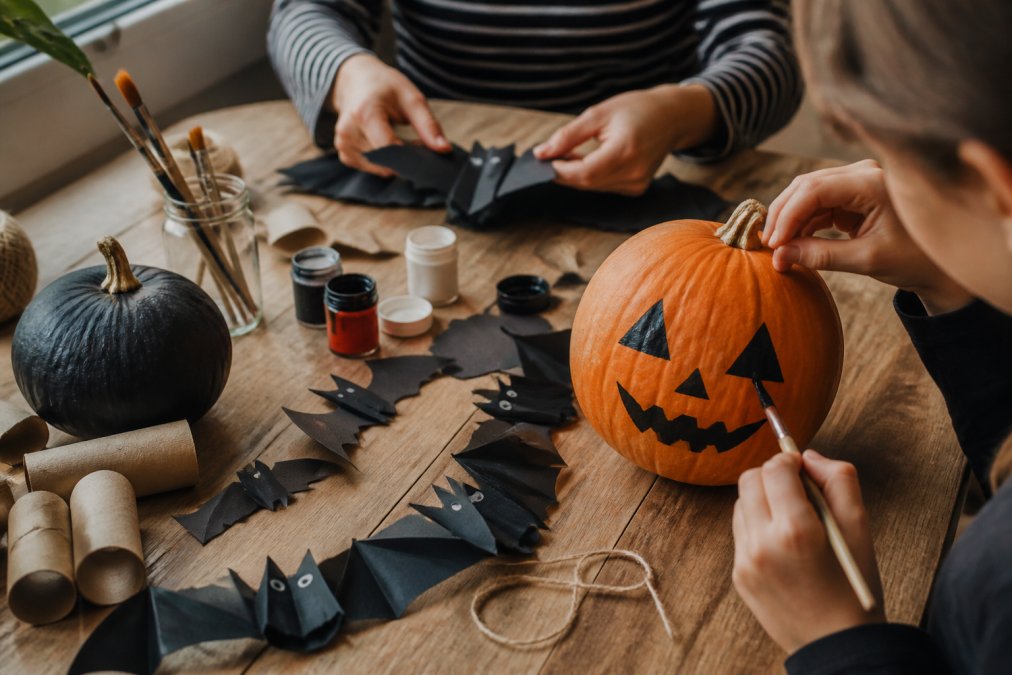
Paper decorations offer an excellent starting point for budget-conscious decorators. Cut bats from black construction paper and hang them from fishing line for a floating effect. Create paper chains in Halloween colors, fold origami ghosts from white tissue paper, or design custom garlands from cardstock. These projects require minimal supplies and are fully recyclable.
Upcycled container decorations transform items you already have into spooky focal points. Mason jars become lanterns when filled with battery-operated candles and wrapped with burlap or black fabric. Empty wine bottles can be painted to resemble potion bottles with handmade labels. Cardboard boxes become haunted houses or tombstones with paint and creative cutting. This approach reduces waste while producing unique pieces.
Pumpkin alternatives extend beyond carving. Paint pumpkins with acrylic paint to create geometric patterns, faces, or thematic designs without the mess of carving. Use markers to draw designs that can be easily changed year to year. Smaller decorative gourds and squashes grouped together create visual impact without requiring the same time investment as large carved pumpkins.
Natural element decorations use autumn's seasonal abundance. Gather branches, twigs, and dried leaves to create centerpieces and wall installations. These materials are often free and decompose naturally at season's end. Dried corn husks, wheat stalks, and hay bales create an autumnal foundation that pairs perfectly with Halloween decorations.
Halloween Party Planning Tips: From Costumes to Seasonal Treats
Successful Halloween party planning requires attention to multiple elements working in concert. Your guest list, venue setup, costume expectations, and food offerings should all align to create a cohesive experience.
Start by establishing your party's theme or aesthetic direction. A Halloween party can lean into horror, embrace whimsy and humor, celebrate pop culture, or focus on elegant gothic sophistication. Communicating this vision clearly to guests helps them make costume choices that fit your party's vibe.
Venue setup matters significantly for party flow and atmosphere. Designate different areas for socializing, eating, and activities. Create a photo opportunity area with a backdrop and props. Set up food and beverage stations strategically so guests naturally flow through your space. Lighting adjustments transform ordinary rooms into Halloween-appropriate settings.
Guest comfort deserves consideration alongside festive aesthetics. Ensure adequate seating, clear pathways without tripping hazards, and temperature control. Provide non-alcoholic beverage options and accommodate dietary restrictions in your food planning.
Costume Selection and Trending Themes
Costume selection represents one of the most creative aspects of Halloween celebration. Current trends often draw from popular television shows and movies, but timeless categories, vampires, witches, superheroes, historical figures, remain perpetually relevant. The best costumes balance recognizability with personal interpretation.
When selecting a costume, consider comfort and practicality alongside appearance. You'll wear this outfit for several hours while eating, moving around, and interacting with others. Comfortable costumes you're excited to wear beat impressive costumes you dread putting on.
Group costumes create memorable moments and photograph well. Coordinated themes where each person interprets the concept differently allow individual expression while maintaining visual cohesion. The most successful group costumes balance unity with individual personality.
Seasonal Food and Candy Ideas
Halloween seasonal treats extend beyond standard candy offerings. Caramel apples, candy corn, and chocolate-covered treats represent traditional options, but creative interpretations elevate your food offerings.
Savory options balance sweet treats and prevent flavor fatigue. Cheese boards arranged in Halloween shapes, chili served in bread bowls, or finger sandwiches cut into festive shapes provide substance alongside sweets. These options also accommodate guests with dietary restrictions more easily than candy-focused menus.
Beverage options deserve attention equal to food. Punch served in a cauldron with dry ice creates visual drama. Hot cider or hot chocolate suits autumn weather. Signature cocktails or mocktails with Halloween-themed names add personality. Simple garnishes like rim sugars in orange or black elevate ordinary drinks into festive offerings.
Presentation transforms ordinary treats into Halloween-appropriate displays. Arrange candy in apothecary jars with handmade labels. Present cookies on tiered stands for visual height. Use serving pieces in Halloween colors or shapes. These touches signal that you've put thought into your party.
Pumpkin Carving Techniques and Jack-O'-Lantern Design
Pumpkin carving has evolved from simple face designs into an art form with multiple techniques and complexity levels. Traditional carving, relief carving, and painting represent three distinct approaches, each producing different aesthetic results.
Traditional carving involves removing the pumpkin flesh entirely to create openings that light shines through. This classic technique works best for bold, simple designs with clear positive and negative space. Relief carving removes only the outer skin without cutting all the way through, allowing for greater detail and more intricate patterns. Painted designs skip carving entirely, using acrylic paint to create images on the pumpkin's surface, offering unlimited design possibilities.
Design selection determines your carving success more than technique alone. Simple designs with few internal details carve more cleanly and light more effectively. Traditional jack-o'-lantern faces remain popular because they're forgiving, slight imperfections read as character rather than mistakes.
Tools matter significantly. Standard carving kits work adequately, but quality matters. Dull tools require excessive pressure and produce rough edges that deteriorate quickly. A sturdy serrated knife often outperforms specialized carving saws. Quality tools make the process faster and produce cleaner results.
Lighting choices dramatically affect how your jack-o'-lantern appears. Traditional candles produce warm, flickering light that creates movement and shadow play. Battery-operated LED lights offer safety, consistency, and color options. Green or purple lighting creates different moods than traditional orange. Experimenting with different lighting options helps you understand how your design reads in darkness.
Making Halloween Inclusive and Accessible for Everyone
Halloween celebrations should welcome participants of all abilities and backgrounds. Inclusive Halloween planning considers sensory sensitivities, mobility limitations, dietary restrictions, and cultural perspectives.
Sensory considerations matter for participants with autism, anxiety, or sensory processing differences. Strobe lights, sudden loud noises, and intense decorations can overwhelm sensitive individuals. Providing quieter spaces within your celebration allows people to participate without constant sensory input. Advance communication about what to expect helps people prepare mentally.
Mobility accessibility ensures people with different physical abilities can participate fully. Ensure clear pathways without obstacles or tripping hazards. Provide seating throughout your space so people can rest without leaving the celebration. Consider wheelchair accessibility if hosting outside your home.
Dietary accommodations extend beyond vegetarian options. Clearly label food ingredients to help people make informed choices. Offering options that accommodate common restrictions, gluten-free, nut-free, dairy-free, demonstrates inclusive planning. Providing substantial non-candy food options ensures people with dietary restrictions have satisfying choices.
Cultural respect shapes how you approach Halloween celebrations. Not all cultures or religions embrace Halloween, and some people choose not to participate for personal reasons. Respecting these choices without pressure creates space for everyone.
Caltucky Creations recognizes that modern Halloween celebrations thrive when they welcome diverse participants. Our Halloween designs and products reflect this commitment to inclusivity, offering options that appeal to different aesthetics and comfort levels. From our HALLOWEEN Unisex Softstyle T-Shirt featuring dramatic, artistic designs to our WELCOME HALLOWEEN Polyester Doormat that sets a welcoming tone, we create pieces that let people celebrate in ways that feel authentic to them.


Halloween represents far more than a single night of celebration, it's a living tradition that connects us to ancient history while remaining thoroughly contemporary. Whether you're drawn to the historical roots in Samhain and All Hallows' Eve, excited about costume creativity, or focused on creating the perfect spooky atmosphere in your home, Halloween offers something meaningful for everyone.
Transform your Halloween celebration with pieces that capture the spirit of the season. Caltucky Creations offers carefully curated Halloween essentials designed to help you express your personal style while creating the festive atmosphere you envision. From our HALLOWEEN Unisex Softstyle T-Shirt to our WELCOME HALLOWEEN Polyester Doormat, each piece brings authentic Halloween character to your celebration. Continue shopping to discover the perfect pieces that make your space feel genuinely yours this season.
Frequently Asked Questions
Q: Why is Halloween celebrated on October 31st?
A: Halloween falls on October 31st because it originates from the ancient Celtic festival of Samhain, which marked the end of summer and the beginning of winter. The date aligns with the Celtic calendar, and when Christianity spread, the Church designated November 1st as All Saints' Day, making October 31st the eve of this observance, hence 'All Hallows' Eve,' which became Halloween. This autumn timing connects the celebration to seasonal transition and harvest traditions.
Q: What are some affordable DIY Halloween decorations I can make at home?
A: You can create impressive decorations using items you likely have at home. Make paper bats by cutting black construction paper, create ghost garlands from white fabric scraps, paint old jars with spooky faces for luminaries, or fashion cobwebs from white yarn. Transform cardboard boxes into haunted house displays, use dried leaves and branches for natural arrangements, or carve designs into white pumpkins. These sustainable options cost just a few dollars and add personalized flair to your space without waste.
Q: How can I make Halloween celebrations more inclusive and accessible?
A: Consider offering non-candy treats at parties for those with dietary restrictions, provide sensory-friendly trick-or-treating times with reduced crowds and lower lighting, and ensure costume choices aren't culturally insensitive. Create accessible decorations that don't block pathways for mobility devices, use LED lights instead of candles for safety, and offer alternative activities beyond costume-based events. When planning parties, ask guests about allergies and accessibility needs in advance, and remember that not everyone celebrates, make participation optional and judgment-free.
Q: What makes a good Halloween costume for a party?
A: The best costume balances comfort, visibility, and personal expression. Choose something you can move and sit in easily, avoid overly long fabric that creates tripping hazards, and ensure your face paint or mask won't irritate your skin. Popular trends include pop culture characters, classic horror figures, and creative group themes. Your costume should reflect your interests, whether that's gothic aesthetics, humorous characters, or sophisticated masked looks. Quality matters: invest in pieces you'll wear comfortably for hours, and consider layering for temperature control throughout the evening.
This article was written using GrandRanker