

Table of Contents
- What Makes High-End Home Decor Different
- Investment Pieces vs. Disposable Decor
- How to Make a Home Look Expensive on a Budget
- Best Online Stores for Home Decor Worth Considering
- The Hidden Costs of Cheap Decor
- The Long-Term ROI of Quality Pieces
- Conclusion
Last Updated: August 24, 2026
What Makes High-End Home Decor Different
High-end home decor stands apart from mass-produced alternatives through deliberate choices in craftsmanship, material composition, and design longevity. The difference isn't just aesthetic, it's structural. When you invest in quality pieces, you're buying durability, authenticity, and pieces designed to appreciate rather than depreciate in your space.
At Caltucky Creations, we understand that building a home worth living in requires knowing where quality actually matters. The curated collections we offer reflect this principle: each piece selected for both immediate appeal and lasting value. But what exactly separates investment pieces from disposable decor?
Craftsmanship and Material Composition
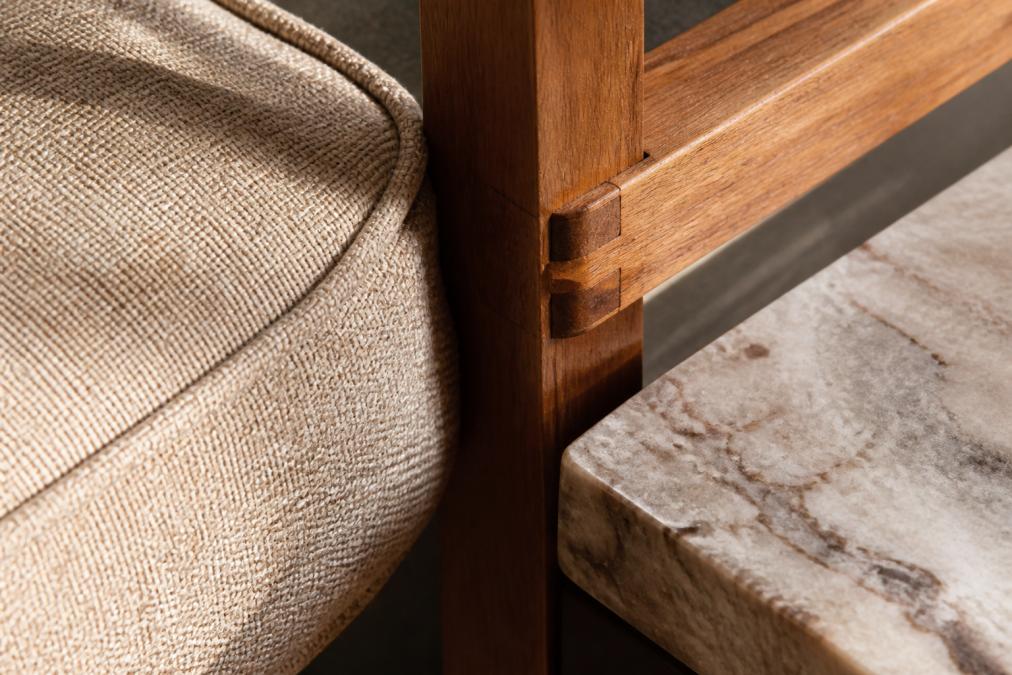
Craftsmanship is where the real divide emerges. A high-end piece shows its quality in the details most people never consciously notice but always feel. Solid wood construction, for instance, means joinery that holds for decades. Dovetail joints, mortise-and-tenon connections, and hand-finished edges signal that someone spent time getting it right.
Material composition tells the story of longevity. Natural stone, marble, granite, limestone, develops patina over time, aging beautifully rather than deteriorating (usgs.gov). Genuine leather upholstery breathes and improves with use. High-thread-count textiles maintain their structure and color through years of wear. These materials cost more upfront because they cost less over time.
The craftsmanship difference extends to how pieces are assembled. Mass-produced furniture often relies on staples, particle board, and glues that fail within five years. Bespoke or semi-custom pieces use mortise joints, solid wood frames, and construction methods that can be repaired. A broken leg on a quality chair gets fixed. A broken leg on cheap furniture gets replaced.
The Durability Factor
Durability isn't theoretical, it's measurable. A textile with higher density holds its shape longer (astm.org). Upholstery with proper padding and support structures resists sagging. Finishes on wood pieces that are hand-applied and sealed properly resist scratches and water damage far better than spray-on coatings.
This durability compounds. A sofa that lasts fifteen years instead of five effectively costs one-third as much per year (peer-reviewed research). But more importantly, it remains visually cohesive in your space. You're not replacing it constantly, which means your design stays intentional rather than becoming a patchwork of whatever was on sale.
The architectural integrity of high-end pieces matters too. Pieces designed with proper proportions, visual weight, and spatial planning don't look dated in five years. They integrate into evolving design schemes because they were built on timeless principles rather than fleeting trends.
Investment Pieces vs. Disposable Decor
The distinction between investment pieces and disposable decor comes down to one question: will this piece still look intentional in your space five years from now?
Disposable decor serves a purpose. It fills space, adds color, tests design ideas. It's affordable enough to replace when trends shift or when it simply wears out. A throw pillow, a wall hanging, seasonal accessories, these have a natural lifespan. They're not meant to last forever.
Investment pieces operate differently. They're selected with the understanding that they'll anchor your space. A quality sofa, a solid wood dining table, architectural elements like built-in shelving or custom moldings, these form the foundation of how your home looks and functions. They're chosen for aesthetic longevity, not trend-chasing.
The financial math differs too. A disposable piece might cost $40 and last two years. An investment piece might cost $400 and last twenty years. The annual cost is lower, but more importantly, the investment piece maintains its character throughout that span.
Many homeowners make the mistake of treating all decor as investment-level purchases. This leads to overspending on items that should be refreshed regularly and underspending on the foundational pieces that actually define your space. The smarter approach: splurge on what stays, save on what rotates.
How to Make a Home Look Expensive on a Budget
A home that looks expensive doesn't require a luxury budget, it requires strategic allocation. This is where understanding the difference between splurge and save becomes actionable.
Splurge vs. Save Strategy
The splurge-versus-save framework works like this: identify which pieces anchor your space visually and functionally. These get the budget. Everything else gets resourced differently.
Splurge on:
- Large furniture pieces (sofas, beds, dining tables) that occupy visual real estate
- Lighting fixtures that set the mood and perceived value of a room
- Window treatments that frame the space (curtains, drapes, custom shades)
- Flooring or area rugs that define zones
- Architectural elements or custom pieces that can't be easily replaced
Save on:
- Seasonal decor and accessories that rotate
- Throw pillows and smaller textiles
- Wall art and mirrors (quality frames matter more than the content)
- Decorative objects and tabletop styling
- Items that trend quickly
This isn't about cheap versus expensive. It's about matching investment level to longevity. A $300 sofa looks cheap after six months. A $1,500 sofa that lasts fifteen years looks like a bargain in hindsight. Conversely, spending $200 on a decorative object you'll replace in two years is wasteful regardless of quality.
The visual impact of this strategy is significant. A room with three high-quality anchor pieces and thoughtfully curated smaller items reads as intentional and elevated. A room where everything is mid-range reads as scattered and generic.
Quality Indicators That Justify the Cost
Not all high-end pieces are created equal. Knowing what to look for separates genuine quality from marketing.
Examine the construction. Run your hand along joints. Look underneath furniture. Check how drawers glide. Listen to how doors close. Quality construction produces a specific tactile and auditory experience. Cheap construction feels flimsy and sounds hollow.
Material sourcing matters. Ask where materials come from. Solid wood from sustainably managed forests costs more than veneer over particle board, but it's repairable and refinishable. Natural fibers like linen and wool upholstery age better than polyester blends. Leather that's full-grain develops character; corrected leather is uniform but less interesting over time.
Finish quality shows in details. Hand-finished edges, multiple coats of stain or paint, and sealed surfaces indicate attention. Factory finishes that look uniform but feel thin suggest corners were cut.
The resale market reveals truth. Pieces that hold value in the second-hand luxury market are genuinely well-made. Pieces that appear constantly on discount sites were overpriced to begin with.
Best Online Stores for Home Decor Worth Considering
Finding retailers that balance quality, design, and accessibility is the real challenge. Not every online store curates with the same standards.
Finding Your Curated Collection
Caltucky Creations represents a specific approach to home decor retail: curated selection over volume. Rather than offering thousands of items, a curated collection means each piece is chosen for design integrity, material quality, and how it works within a cohesive aesthetic. This approach eliminates the decision paralysis of endless options while ensuring that items purchased together actually complement each other.
The benefit of shopping a curated collection is coherence. You're not mixing incompatible design languages. The color palettes work together. The scale and proportion of pieces feel intentional. This is why Caltucky Creations appeals to people furnishing their first apartment or refreshing a space, the curation does part of the design work for you.
When evaluating any online retailer, look for evidence of curation. Do they explain why items are selected? Do their collections have visual coherence? Do they offer styling guidance? These signals indicate whether they're simply aggregating inventory or actually thinking about how pieces work together.
The fresh and stylish home essentials approach matters too. Pieces should feel current without being trendy. They should work in multiple design contexts. A well-curated collection achieves this balance, items that feel of-the-moment but won't look dated in three years.
Customer reviews and before-and-after styling photos reveal whether pieces actually look like their photos. This is where many online retailers fail. Caltucky Creations builds trust through transparent presentation and genuine customer examples showing how pieces integrate into real homes.
The Hidden Costs of Cheap Decor
The real expense of cheap decor isn't the purchase price, it's everything that follows.
Cheap pieces require replacement cycles. You buy a $50 side table that wobbles after a year. You replace it with another $50 table. Repeat this cycle five times and you've spent $250 on what a $300 quality table would have provided permanently. That's before accounting for the time spent shopping, the landfill impact, and the visual inconsistency of constantly replacing items.
Cheap upholstery develops problems quickly. Fabric pills. Stuffing compresses unevenly. Seams fail. The piece looks tired within two years. A quality piece with proper textile density and construction remains visually fresh for a decade.
Cheap finishes deteriorate. Paint peels. Stain fades unevenly. Metal tarnishes. These aren't minor aesthetic issues, they make spaces look neglected. A room with deteriorating cheap decor reads as unmaintained. A room with aging quality pieces reads as lived-in and intentional.
There's also the psychological cost. Living in a space filled with temporary, low-quality items creates a subtle sense of impermanence. You're less likely to invest in styling, maintenance, or even spending time in the space if it doesn't feel like it's worth the effort. Quality pieces change this calculus. They reward care and attention.
The sustainability angle matters too. Cheap decor ends up in landfills constantly. Quality pieces that last decades, can be repaired, or have resale value in the second-hand luxury market represent genuinely sustainable choices.
The Long-Term ROI of Quality Pieces
Return on investment for home decor isn't measured in money returned, it's measured in years of visual satisfaction, functional reliability, and how the space supports your life.
Resale Value and Aesthetic Longevity
Quality pieces appreciate in unexpected ways. A solid wood dining table purchased for $2,000 can be sold for $1,200 ten years later. The depreciation is far slower than cheap furniture, which has essentially zero resale value. But more importantly, that table still looks intentional in your home. It hasn't become an eyesore you're hiding behind throw pillows.
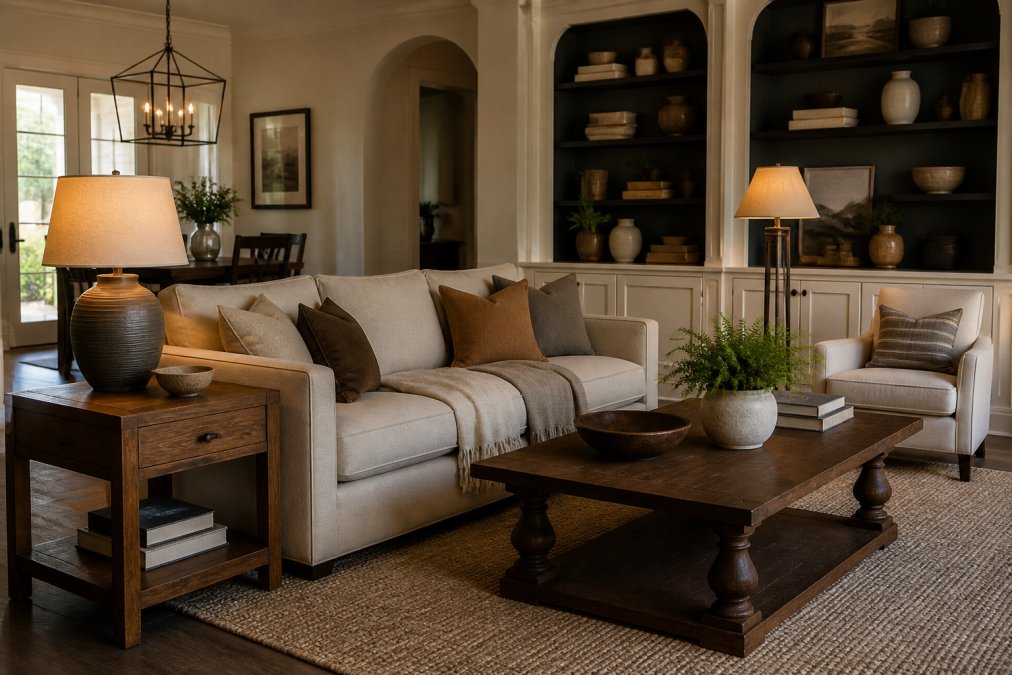
Aesthetic longevity matters more than most people acknowledge. Design trends shift, but timeless pieces remain visually coherent. A sofa with clean lines and quality upholstery in a neutral tone works in traditional, contemporary, and transitional spaces. It won't look dated in five years because it wasn't designed around 2026 trends, it was designed around principles of proportion and balance that outlast trends.
This is where the curated approach of retailers like Caltucky Creations pays dividends. Pieces selected for their ability to work across design contexts and time periods don't require replacement when aesthetics shift. You're building a foundation rather than chasing trends.
Psychological ROI: How Your Space Affects Your Life
This is the benefit nobody quantifies but everyone feels. A home filled with intentional, quality pieces changes how you experience your space.
Spaces with high-end home decor that's been thoughtfully selected reduce decision fatigue. You're not constantly wondering if you should replace items or rearrange to hide problems. The space works. This mental clarity extends beyond the aesthetic into how you actually use and enjoy your home.
Quality pieces also create a sense of investment in your space. You're more likely to maintain them, style them thoughtfully, and spend time in rooms that feel intentional. This isn't vanity, it's the documented psychological impact of environment on wellbeing. Spaces that look and feel expensive create a sense of sanctuary.
There's also the social dimension. Hosting in a space with quality decor and thoughtful design creates a specific impression. This isn't about status, it's about communicating care and intention. Guests notice when a space feels curated versus assembled randomly from sales.
The long-term ROI compounds. A home that feels like a sanctuary rather than a temporary holding space changes how you live. You spend more time there. You invest in experiences within it. You maintain it better. These aren't financial returns, but they're real returns on the initial investment in quality pieces.
The question of whether high-end home decor is worth it resolves differently for each person, but the data is clear: quality pieces last longer, look better over time, and create spaces that feel intentional rather than temporary. If you're building a home you plan to live in for years, investing in foundational pieces with genuine craftsmanship and material quality pays dividends that cheap alternatives simply cannot match. Start with Caltucky Creations' curated collection of fresh and stylish home essentials, each piece selected for its ability to anchor your space with both immediate appeal and lasting aesthetic longevity. Discover how intentional design choices transform a house into a home worth living in.
Frequently Asked Questions
Is high-end home decor actually worth the extra cost?
High-end home decor offers better durability, timeless design, and higher resale value than disposable alternatives. Investment pieces in natural materials and solid construction often outlast cheaper items by years, reducing your cost-per-use. However, worth depends on your budget and priorities, mixing investment pieces with affordable finds can deliver the best value.
How can you tell if home decor is high quality?
Look for solid wood construction rather than veneers, natural stone or premium textiles, visible craftsmanship in joints and seams, and heirloom-quality finishes. Check product weight and material sourcing details. Reputable retailers provide transparency about composition. Handle items in person when possible, or request customer reviews and before-and-after photos to assess real-world durability.
What's the best strategy for making a home look expensive on a budget?
Use the splurge-versus-save approach: invest in visible, high-impact pieces like a quality sofa or statement lighting that define your space, then use affordable finds for accessories. Focus on architectural integrity through custom moldings or paint, maintain clean spatial planning, and choose a timeless aesthetic over trendy items. Curated collections from best online stores for home often balance investment pieces with budget-friendly options.
Should I buy cheap decor or save for luxury items?
The answer depends on the item's role in your space. Architectural elements and frequently used furniture justify premium investment for durability and resale value. Accessories and seasonal decor can be affordable without compromising your overall aesthetic. A mixed approach, investing in foundational pieces and supplementing with quality budget options, typically delivers the best long-term value and design longevity.
This article was written using GrandRanker